
Tile & Slate Roofing in Wiltshire
Clay, concrete and natural slate, including heritage and listed properties in Bath, Bradford-on-Avon and Salisbury.
What this covers
Not sure whether your roof needs like-for-like tiles or something different? Send a photo and Leith will tell you what you're looking at.
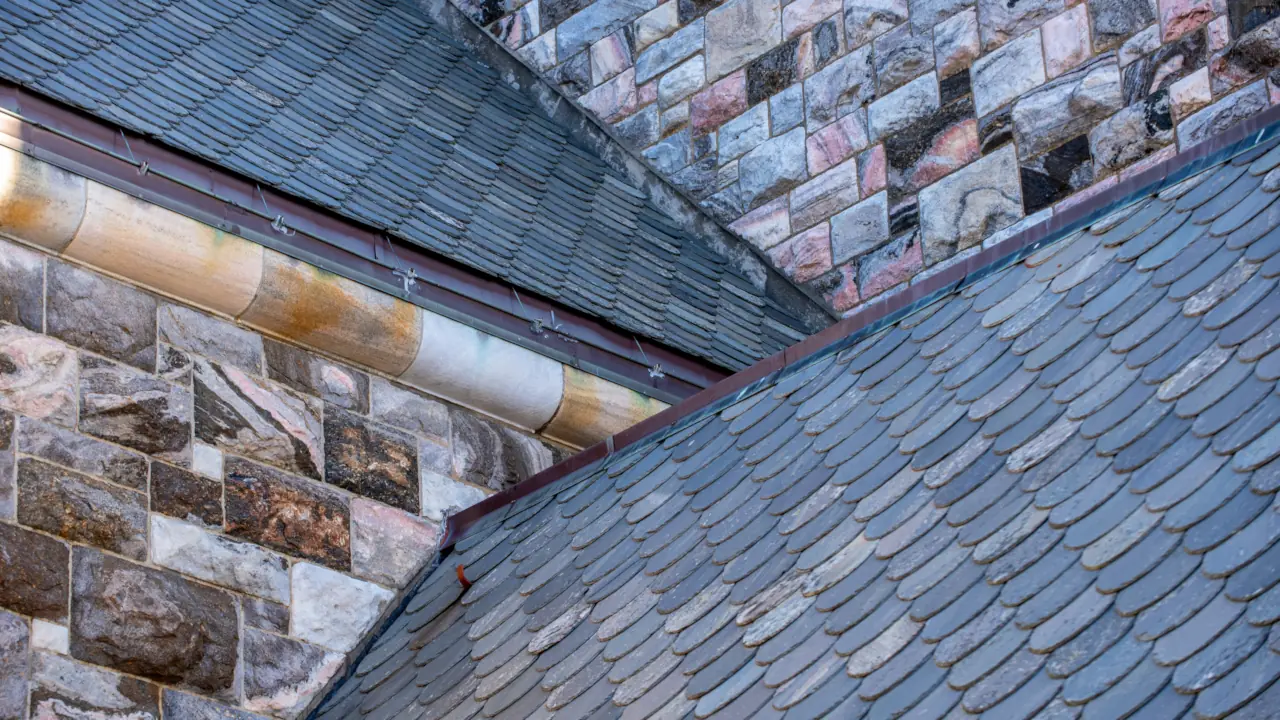
Wiltshire has three coverings in regular use, and the right one depends on what's already up there and what the property is. Natural slate lasts longest — well past a century if it's re-battened and re-flashed along the way — but it's also the heaviest and most expensive of the three, and it's usually the correct answer where the building calls for it: period stone property, terraces around Bath, anything in a conservation area where slate is what was there originally. Clay tile is the traditional covering across much of the rest of the county; it ages well and typically outlasts concrete by decades. Concrete tile is what you'll find on most post-war estates — the cheapest to buy and fit, but the shortest-lived, and it tends to show its age through surface erosion on the exposed faces once it's twenty-odd years in.
Bath, Bradford-on-Avon and the cathedral quarter in Salisbury all have a lot of listed and conservation-area property, and on those jobs the covering usually has to match what's already there — not a similar tile, the right one. That can mean sourcing reclaimed slate or tile to blend with the original rather than reroofing wholesale in new stock. We do the roofing; whether the job needs listed building consent or what a conservation area allows is between you (or your architect) and the council — but we've worked on enough of these roofs to know what they'll expect the finished covering to look like.
What separates a tidy roof from a cheap one is in the detailing: verges finished properly rather than just bedded in mortar and left, valleys that shed water instead of holding it, ridge and hip tiles either mechanically dry-fixed or bedded and pointed depending on the roof, and lead soakers and flashings cut and dressed to the actual roof rather than a generic profile off the shelf. That's where most of the labour on a tiling job goes.
What to expect
Five steps, same on every job.
-
01
Inspection and quote
Leith comes out, gets up on the roof, and takes photos. You get a written quote — free, no obligation.
-
02
Agreed scope and price
What's included, what it costs, and a start date. The price doesn't move unless we find something underneath and agree it with you first.
-
03
The work
Strip the old covering, repair or replace battens and felt, then tile or slate back to match — including verges, valleys and ridge and hip detailing. You deal with Leith throughout, not a different crew each day.
-
04
Tidy-up and sign-off
Site swept, waste taken away, and we walk the finished job together with the photos from before.
-
05
Our workmanship guarantee
Up to 10 years on the installation itself, from LH Roofing, confirmed in writing in your quote.
Tile & slate we've done
finished
mid-job
detail, close-up
★★★★★[Review placeholder — insert a real quote here. Ideally a period-property or slate re-roof, Bath or Bradford-on-Avon.]
Every tiling and slating job we've done in the last three years is in our work, with photos from before, during and after.
Common questions
Anything not answered here, ask on the phone — it's a two-minute conversation.
Usually, yes. For small repairs we'll match what's on the roof as closely as we can from current stock. For a full re-roof or an extension tying into an old roof, an exact match sometimes means sourcing reclaimed tile or slate rather than buying new — we'll tell you which applies before you commit to anything.
Clay is the traditional covering across most of Wiltshire, ages well, and typically lasts decades longer than concrete. Concrete is cheaper to buy and fit and is what you'll find on most post-war housing, but it's the shortest-lived of the two and tends to erode on the surface as it gets older. Which one's right for you usually comes down to what's already on the roof and what the property is.
Yes — we've done a fair number of these across Bath, Bradford-on-Avon and Salisbury, and we know what conservation officers generally expect a finished covering to look like. What we don't do is advise on planning or listed building consent — that's a matter for you or your architect and the council. Get that sorted first and we'll deliver the covering it calls for.
Well past a century for the slate itself, though battens and flashings will need attention before then. The thing that actually shortens the life of an older tile or slate roof day to day is moss — it holds moisture against the covering and works its way under laps. Worth keeping on top of; we've written about whether you should remove moss from your roof if it's building up on yours.
Related services
Roof Replacement
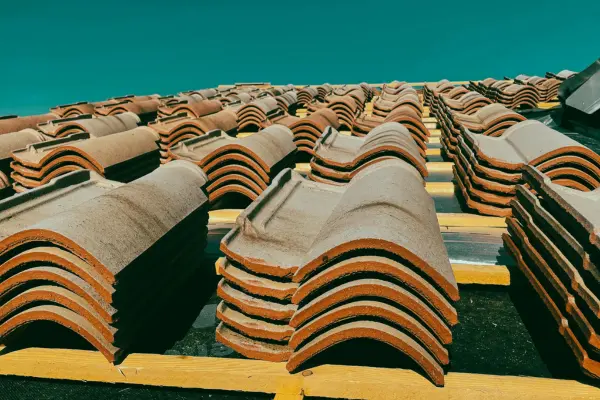
Full re-roof from strip-off to finish, on tile, slate or felt, when repair isn't worth it any more.
Roof Repair
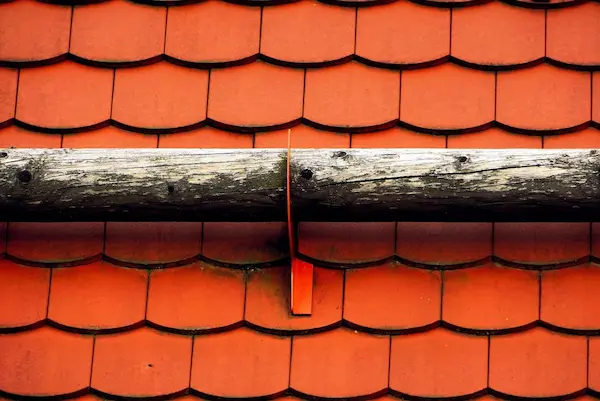
Slipped tiles, cracked slates and localised leaks fixed without disturbing the rest of the roof.
Cedar Roofing
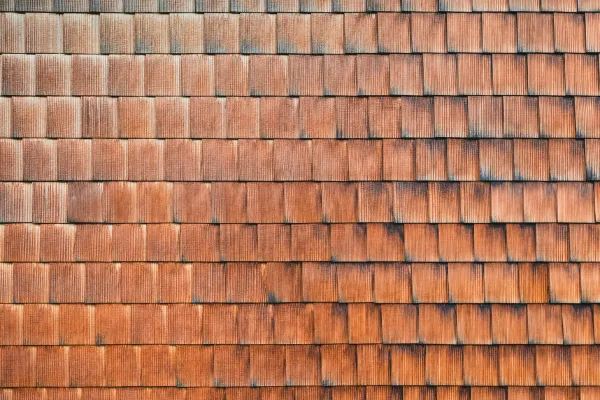
Western red cedar shingles — a different look for period and architect-designed properties.
Get a free, no-obligation quote
Call Leith directly on 07811 286915, or use the form. Estimates and advice are always free.
Call 07811 286915Leith Henderson. Every quote, every job and every phone call is him — Mon–Fri, 8:30am–4pm.